
Construction Zone Accidents in California: Who’s Liable When Road Work Causes a Crash?
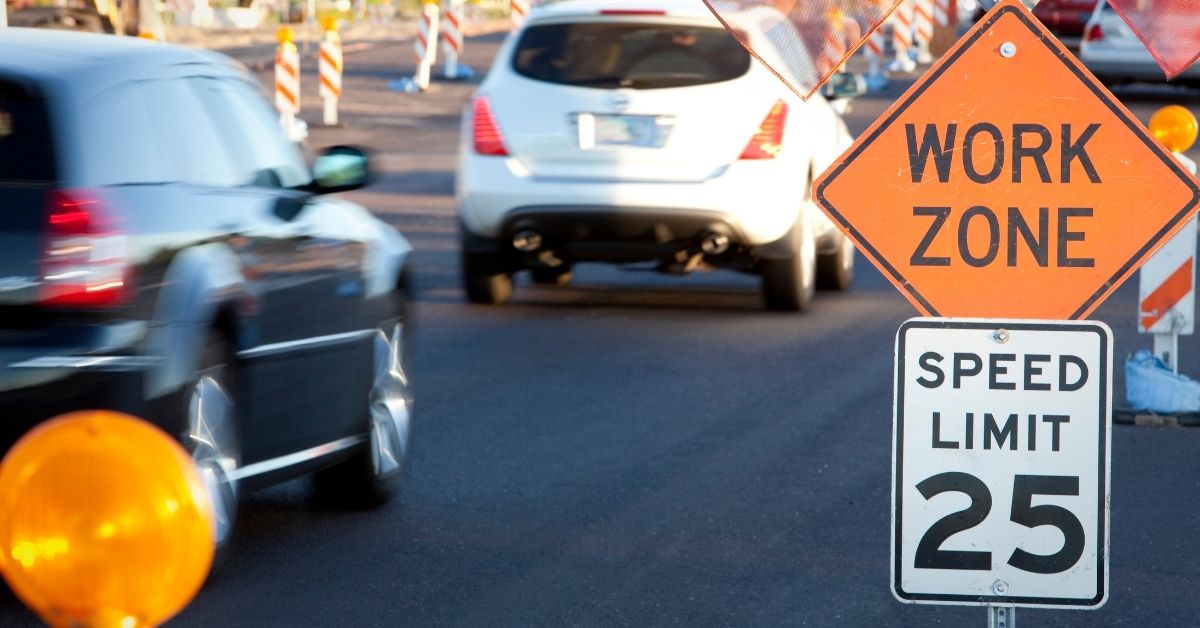
California’s roads are constantly under construction—whether it’s repaving a freeway in Los Angeles, repairing a bridge in the Bay Area, or widening a rural highway in the Central Valley. Construction zone accidents can leave you dealing with long-term injuries and impacts.
While these projects are meant to improve safety, active construction zones often create new hazards that lead to serious crashes. Narrow lanes, sudden detours, heavy equipment, and confusing signage can turn a routine drive into a dangerous situation. These accidents have devastating consequences. For example, in work zone crashes in CA, about 85% of those killed are drivers or passengers.
If you or a loved one is injured in a construction-related crash, determining who is legally responsible can be more complex than in a typical car accident. Below, the personal injury team at B|B Law explains how liability works in California and what you should do to protect your rights.
Common Causes of Construction Zone Accidents
Construction areas change traffic patterns and introduce obstacles that increase the risk of collisions. Some of the most frequent hazards include:
-
Improper or Missing Signage – California’s Manual on Uniform Traffic Control Devices (CA MUTCD) requires clear warnings and directional signs. Missing or poorly placed signage can cause sudden braking, lane changes, or driver confusion.
-
Dangerous Road Conditions – Uneven pavement, loose gravel, open trenches, and temporary steel plates can make vehicles lose traction.
-
Poor Lighting or Visibility – Nighttime projects that aren’t adequately lit can leave drivers unable to see workers or equipment.
-
Inadequate Traffic Control – Flaggers or temporary signals may be absent or poorly trained, leading to dangerous merges or head-on collisions.
-
Construction Vehicle Negligence – Trucks entering or exiting the site without proper lookouts or escorts can strike passing traffic.
Each of these hazards can create multiple potential defendants, which is why construction zone cases require careful investigation.
Possible Liable Parties in Construction Zone Accidents
Unlike a standard two-car accident, construction zone crashes often involve multiple layers of responsibility. This is why it’s so important to work with a law firm that understands this legal landscape. Depending on the circumstances, one or more of the following parties may be held liable:
1. The Construction Company or General Contractor
The contractor managing the project is typically responsible for maintaining a safe work site. If they failed to follow Cal/OSHA safety regulations or the CA MUTCD for signage and traffic control, they may be directly liable for injuries.
2. Subcontractors
Specialty contractors, such as those handling paving, electrical work, or equipment transport, can be responsible if their specific tasks created the hazard (for example, leaving debris on the roadway).
3. Government Entities
When the project is commissioned by a state or local agency (Caltrans, a county, or a city), that agency has a duty to ensure the work zone is reasonably safe.
Under California’s Government Claims Act, injured parties must file an administrative claim—typically within six months of the accident—before they can sue a public entity. Missing this deadline can bar recovery.
4. Other Drivers
Sometimes another motorist’s negligence (speeding, distracted driving) combines with the hazardous construction zone to cause a crash. California’s pure comparative negligence rule allows fault to be apportioned among all responsible parties.
Key California Laws and Standards Connected to Construction Zone Accidents
Several California-specific laws come into play:
-
Vehicle Code §21367 – Gives state and local authorities the right to close or restrict roadways for construction but requires them to post adequate warnings and maintain safe conditions.
-
Cal/OSHA Construction Safety Orders – Set minimum requirements for traffic control, equipment operation, and worker safety that indirectly protect motorists.
-
Government Code §§810–996.6 (Tort Claims Act) – Establishes procedures and deadlines for claims against public entities.
An experienced attorney will analyze whether these statutes—and the federal and state MUTCD standards—were violated to prove negligence.
Evidence That Strengthens Your Case
Because multiple parties may share liability, early evidence collection is critical. Key pieces include:
-
Photos and Videos of the accident scene, signage, and construction layout.
-
Police and CHP Reports noting road conditions and witness statements.
-
Caltrans or Local Agency Records detailing project plans, traffic control measures, and contractor communications.
-
Surveillance or Dashcam Footage showing how the crash occurred.
-
Expert Analysis from accident reconstructionists or traffic engineering specialists to demonstrate that the zone failed to meet required standards.
Steps to Take After a Construction Zone Accident
-
Call 911 and Get Medical Care – Your health comes first, and the official records emergency responders create may later support your claim.
-
Document Everything – Take photos of skid marks, signage, and any construction equipment near the crash site.
-
Collect Witness Information – Fellow motorists, construction workers, or flaggers may provide critical testimony.
-
Report the Accident to Authorities – File a police report and, if applicable, notify the local agency responsible for the project.
-
Consult a California Personal Injury Attorney Immediately – An attorney can send preservation letters to prevent the destruction of project records and guide you through government-claim deadlines.
Potential Damages
Victims of construction zone accidents may be entitled to compensation for:
-
Medical Expenses – Emergency care, surgeries, rehabilitation, and future treatment.
-
Lost Wages and Earning Capacity – Time missed from work and long-term career impact.
-
Pain and Suffering – Physical pain, emotional distress, and diminished quality of life.
-
Property Damage – Vehicle repair or replacement.
-
Wrongful Death Damages – In fatal accidents, surviving family members may pursue funeral expenses and loss of companionship.
Because these cases often involve catastrophic injuries, damage calculations must consider future costs such as lifelong medical care or home modifications.
Why Legal Representation Matters
Construction companies, government agencies, and their insurers typically respond quickly to accidents with their own investigators and legal teams.
Without an attorney, critical evidence—such as internal safety audits or subcontractor contracts—can disappear or be withheld.
A skilled California personal injury lawyer can:
-
Identify all liable parties to maximize available insurance coverage.
-
Navigate the complex Government Claims Act deadlines when public entities are involved.
-
Work with accident reconstruction experts to prove negligence.
-
Negotiate aggressively or take the case to court to secure full compensation.
B|B Law: Protecting Injured Californians
At B|B Law, we understand how overwhelming a construction zone crash can be. Our team has experience handling complex multi-party claims and holding both private contractors and government agencies accountable.
If you or someone you love was injured in a California road-work accident, contact B|B Law today for a consultation. We’ll investigate every angle, meet critical filing deadlines, and fight for the compensation you deserve.
Construction projects are supposed to make California’s roads safer—but when contractors or agencies cut corners, motorists pay the price.
By acting quickly and working with an experienced attorney, you can protect your rights and recover the damages you need to move forward.
Related Articles

Unpaid California Overtime: How to Know If You’re Owed Money
Unpaid overtime is one of the most common (and most misunderstood) employment law violations in California. Many workers assume that working late, skipping breaks, or answering emails after hours is simply “part of the job.” Others are told they’re salaried …
Read More
Delayed Injury Symptoms After an Accident: Why Waiting Can Hurt Your Claim
After a car accident, many people feel lucky to walk away thinking they’re “okay.” Adrenaline is high, the shock wears off, and soreness feels manageable. It’s common to assume injuries will resolve on their own, but that is not true …
Read More