
Highway 101 and I-5: California’s Most Dangerous Interchanges and How to Build a Case After a Crash
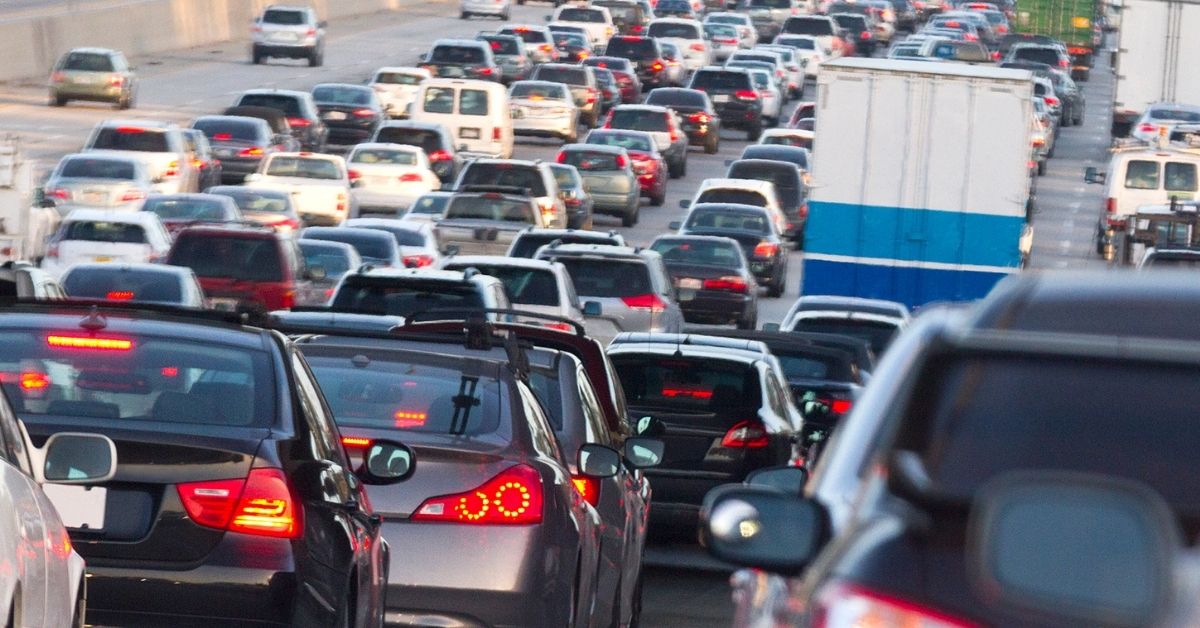
California’s two great north–south arteries—Highway 101 and Interstate 5—carry millions of drivers every day. From San Diego to the Bay Area and beyond, these freeways connect the state’s largest cities and its busiest ports. But with heavy traffic, complex merges, and aging infrastructure, they also contain some of the most dangerous interchanges in California. Serious multi-vehicle collisions occur regularly, leaving victims with life-changing injuries and complicated legal questions.
If you or a loved one has been hurt in a crash on one of these highways, understanding why these interchanges are risky and how to build a strong legal claim can make all the difference.
Here’s what the personal-injury team at B|B Law Group wants every California driver to know about the most dangerous interchanges.
Why Highway 101 and I-5 Are So Hazardous: Most Dangerous Interchanges
Caltrans collision data and California Highway Patrol (CHP) reports consistently rank interchanges on these corridors among the state’s worst for crash frequency and severity. Key risk factors include:
-
Massive Traffic Volume – I-5 stretches 796 miles through California and is a key freight route for trucks heading to and from Mexico, the Central Valley, and the Pacific Northwest. Highway 101, running along the coast, handles both commuter and tourist traffic. High volume means constant stop-and-go conditions and limited reaction time.
-
Complex Interchanges – Intersections like the I-5/I-10 East Los Angeles Interchange, the US-101/I-80 Central Freeway in San Francisco, and the I-5/SR-60 East L.A. Interchange combine multiple merges, sharp curves, and short on-ramps. Drivers unfamiliar with the area can be forced into sudden lane changes.
-
High Speeds Mixed With Congestion – Drivers may accelerate quickly during brief gaps, then brake hard for sudden slowdowns. This “accordion effect” increases rear-end collisions and chain-reaction pileups.
-
Commercial Trucking Traffic – Large trucks require longer stopping distances and create blind spots that make lane changes more dangerous.
Common Accident Types
The conditions above lead to a variety of crash patterns:
-
Rear-End Collisions from sudden slowdowns or stop-and-go traffic.
-
Sideswipe and Merge Accidents when drivers attempt last-second lane changes.
-
Multi-Vehicle Pileups during fog, rain, or heavy congestion.
-
Truck Accidents caused by brake failure, driver fatigue, or improper loading.
-
Roadway-Related Crashes from potholes, worn lane markings, or defective barriers.
Each type of collision can involve multiple drivers, multiple insurance carriers, and potentially a government agency responsible for road design or maintenance.
Potentially Liable Parties
Unlike a simple two-car accident, a freeway-interchange crash often requires identifying several different defendants, such as:
-
Negligent Drivers – Speeding, distracted driving, and unsafe lane changes are common factors.
-
Commercial Carriers – Trucking companies may be liable for fatigued drivers, poor maintenance, or overloaded cargo.
-
Vehicle Manufacturers – Defective brakes, tires, or steering components can contribute to loss of control.
-
Government Entities – Caltrans or local agencies may bear responsibility for dangerous design, inadequate signage, or failure to maintain safe road conditions.
California’s pure comparative negligence rule (Civil Code §1714) allows fault to be divided among multiple parties. A driver who is partially at fault can still recover damages, but their award will be reduced by their percentage of responsibility.
Critical Evidence in Highway Interchange Cases
Building a strong claim requires a fast, thorough investigation. B|B Law Group’s attorneys often seek:
-
CHP Collision Reports – These provide initial findings on fault, roadway conditions, and witness statements.
-
Traffic Camera or Surveillance Footage – Many interchanges are monitored by Caltrans cameras that can capture the moments before a crash.
-
Event Data Recorders (“Black Boxes”) – Most commercial trucks and newer passenger vehicles store speed, braking, and steering data.
-
Maintenance and Design Records – Documents showing prior complaints, known design flaws, or missed repairs help prove a dangerous condition of public property.
-
Expert Reconstruction – Accident reconstruction engineers can model the sequence of impacts and identify the first negligent act.
Because Caltrans or a local government may be involved, it is crucial to preserve evidence quickly before records are lost or overwritten.
Deadlines for Claims Against Public Entities Involving the Most Dangerous Interchanges
When a government agency may share responsibility—such as for negligent road design or poor maintenance—California law imposes strict deadlines:
-
Government Claim – Before filing a lawsuit, you must submit an administrative claim to the responsible agency within six months of the accident (Gov. Code §911.2).
-
Lawsuit Filing – If the agency rejects or ignores the claim, you have six months from the rejection notice to file a civil lawsuit.
Missing these deadlines can permanently bar recovery, even if the evidence of negligence is strong.
Steps to Take After a Freeway Crash
-
Seek Immediate Medical Attention – Some injuries (brain trauma, internal bleeding) may not be obvious right away. Prompt care also documents your injuries for legal purposes.
-
Call 911 and Obtain a CHP Report – Officers will secure the scene and create a collision report that becomes key evidence.
-
Document the Scene – If safe, take photos of vehicle positions, skid marks, weather conditions, and any roadway defects.
-
Collect Witness Information – Get names and contact details of other drivers, passengers, and bystanders.
-
Contact an Attorney Quickly – A lawyer can send preservation letters to Caltrans, trucking companies, or other parties to prevent destruction of evidence.
Damages You May Recover
Victims of major freeway crashes often face extensive losses. A successful claim can recover compensation for:
-
Medical Expenses – Emergency treatment, surgeries, rehabilitation, and future care.
-
Lost Wages & Earning Capacity – Income lost during recovery and any long-term disability.
-
Pain and Suffering – Physical pain, emotional distress, and diminished quality of life.
-
Property Damage – Repair or replacement of your vehicle.
-
Punitive Damages – In cases of extreme recklessness, such as drunk or racing drivers.
Your attorney will work with medical and economic experts to calculate both current and future damages.
How B|B Law Group Builds These Cases
Freeway-interchange crashes demand fast action and experienced legal strategy.
B|B Law Group’s personal-injury team:
-
Conducts on-site investigations to document hazardous conditions before they change.
-
Works with accident reconstructionists and transportation engineers to establish causation.
-
Coordinates with medical professionals to value long-term injuries.
-
Handles negotiations with multiple insurance carriers and government agencies.
-
Prepares every case for trial, which often motivates insurers to offer fair settlements.
Key Takeaway
Highway 101 and I-5 keep California moving—but they also contain some of the most complex and dangerous interchanges in the country.
If you’re injured in a crash on these routes, you may be facing not just negligent drivers but trucking companies, vehicle manufacturers, and government entities.
The attorneys at B|B Law Group have the experience and resources to untangle multi-party liability, meet strict government deadlines, and fight for the full compensation you deserve.
If you or a loved one has been injured on Highway 101, I-5, or any California freeway, contact B|B Law Group today for a free consultation.
Related Articles

Unpaid California Overtime: How to Know If You’re Owed Money
Unpaid overtime is one of the most common (and most misunderstood) employment law violations in California. Many workers assume that working late, skipping breaks, or answering emails after hours is simply “part of the job.” Others are told they’re salaried …
Read More
Delayed Injury Symptoms After an Accident: Why Waiting Can Hurt Your Claim
After a car accident, many people feel lucky to walk away thinking they’re “okay.” Adrenaline is high, the shock wears off, and soreness feels manageable. It’s common to assume injuries will resolve on their own, but that is not true …
Read More