What Happens If the At-Fault Driver Was Working During the Accident?

June 22, 2026

What Happens If the At-Fault Driver Was Working During the Accident? Post Image
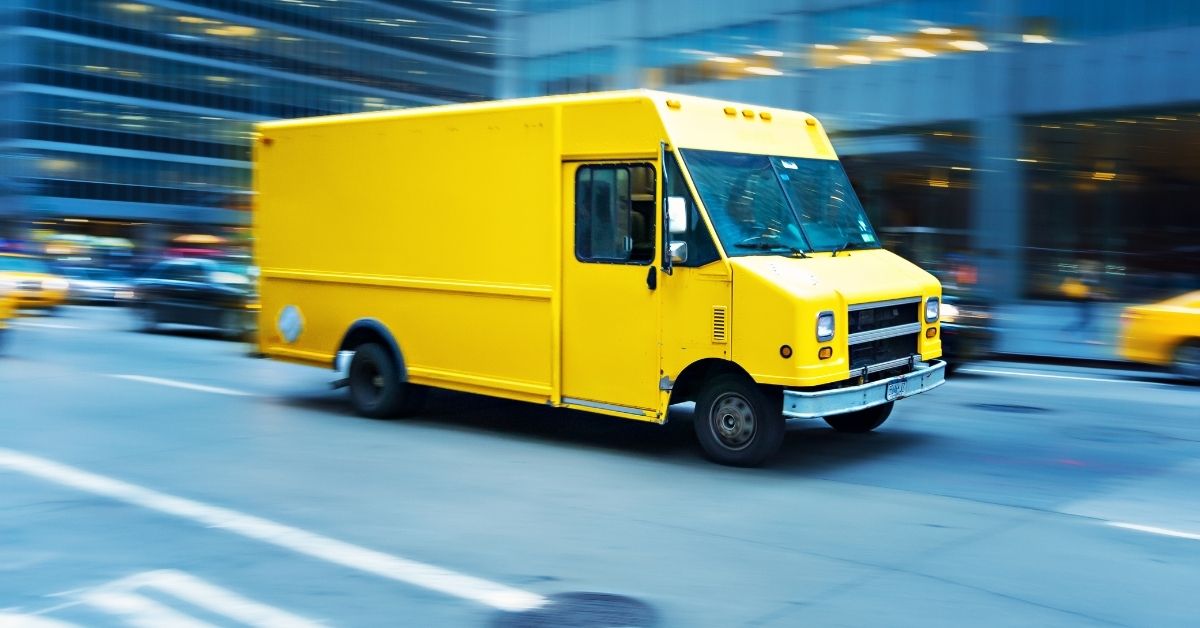
After a car accident, most people focus on the drivers involved and the immediate damage caused by the crash. However, in some cases, the at-fault driver may have been working at the time of the collision. When this happens, the legal and insurance issues can become significantly more complex.

Accidents involving delivery drivers, commercial vehicles, company cars, rideshare operators, or employees running work-related errands often involve additional layers of liability. In many situations, an employer or company may also share responsibility for the accident.

Understanding how these cases work is important because it can directly affect the compensation available to injured victims.

Why Work-Related Accidents Are Different

In a standard car accident claim, the primary source of compensation is usually the at-fault driver’s personal auto insurance policy.

When the driver was working at the time of the crash, additional insurance policies and legal responsibilities may come into play. Businesses often carry larger commercial insurance policies than individual drivers, which can significantly impact the value and complexity of a claim.

These cases also tend to involve more aggressive insurance defense strategies because companies and commercial insurers often have substantial financial exposure. If you are dealing with this situation with an at-fault driver, you need the help of a qualified lawyer.

When an Employer May Be Liable

Under California law, employers can sometimes be held responsible for accidents caused by employees who were acting within the scope of their job duties. This legal concept is known as vicarious liability.

In general, if an employee causes an accident while performing work-related tasks, the employer may share responsibility for the resulting damages.

Examples may include:

  • A delivery driver making scheduled deliveries
  • An employee driving to a client meeting
  • A worker operating a company-owned vehicle
  • A driver transporting goods or equipment for work purposes

In these situations, the employer may be liable even if the company itself did not directly cause the accident.

The Importance of “Scope of Employment”

One of the central questions in these cases is whether the driver was acting within the scope of employment at the time of the collision.

This issue is not always straightforward.

For example, a delivery driver actively making deliveries is likely considered to be working. On the other hand, if the employee had stopped to run a purely personal errand unrelated to work, the employer may argue that liability no longer applies.

Disputes often arise over whether the employee was truly performing job duties when the accident occurred. Companies and insurers sometimes attempt to distance themselves from drivers in order to limit financial responsibility.

Company Vehicles Versus Personal Vehicles

Many people assume employer liability only applies when the at-fault driver is driving a company-owned vehicle. In reality, employees may still be considered to be acting within the scope of employment even when using their own personal car for work purposes.

For example, an employee at-fault driver using their own vehicle to make deliveries, transport supplies, or attend work meetings could potentially create liability for their employer.

This can create complicated insurance questions involving both personal auto policies and commercial coverage.

Delivery Drivers and Gig Economy Complications

Modern delivery services and rideshare platforms have added another layer of complexity to accident claims.

Drivers working for companies such as Amazon Flex, DoorDash, Uber, Lyft, and similar services are often classified as independent contractors rather than traditional employees. These classifications are frequently central to liability disputes.

Companies may argue they are not responsible because the at-fault driver is technically not an employee. However, the legal analysis does not always end there.

Depending on the facts of the case, company policies, app activity, and the degree of control exercised over the driver may all become relevant issues.

These cases often require detailed investigation into how the driver was operating at the time of the accident.

Commercial Insurance Policies

One reason these claims are important is that commercial policies often provide substantially higher coverage limits than standard personal auto insurance.

Severe injuries can quickly generate medical bills, lost wages, rehabilitation expenses, and long-term care costs that exceed the limits of a personal policy.

When an employer or commercial entity is involved, injured victims may have access to additional insurance coverage that would otherwise not be available.

However, larger policies also mean insurers often fight these claims aggressively.

Additional Forms of Employer Negligence

In some situations, an employer may be directly negligent beyond simply being responsible for the employee’s actions.

Examples may include:

  • Failing to properly train drivers
  • Hiring someone with a dangerous driving history
  • Encouraging unsafe schedules or unrealistic deadlines
  • Failing to maintain company vehicles
  • Violating commercial transportation regulations

Evidence of these practices can strengthen a personal injury claim and may increase liability exposure for the company involved.

Evidence That May Become Important

Work-related accident cases often involve evidence that does not exist in ordinary car accident claims.

Important evidence may include:

  • Driver schedules
  • Delivery logs
  • GPS tracking data
  • Cell phone records
  • Employment records
  • Company policies
  • Vehicle maintenance records

In some cases, businesses move quickly after an accident to begin building their defense. This is one reason why early legal intervention can be critical.

Preserving evidence before it disappears or is altered may significantly affect the outcome of the case.

Why Legal Representation Matters

Accidents involving employers and commercial insurance companies are rarely simple.

Victims may find themselves dealing with multiple insurers, corporate attorneys, and disputes over employment status or insurance coverage. Without legal guidance, it can be difficult to determine who may actually be liable and what compensation may be available.

An experienced personal injury attorney can investigate the circumstances surrounding the accident, identify all potentially responsible parties, and handle negotiations with insurers on your behalf.

Speak With a California Personal Injury Attorney

If you were injured by a driver who was working at the time of the accident, you may have legal options beyond filing a claim against the individual driver alone.

At BB Law Group, we help accident victims investigate complex liability issues and pursue compensation from all responsible parties. Our team understands the unique challenges involved in commercial and work-related accident claims and can help protect your rights throughout the process.

If you or a loved one has been injured in a work-related vehicle accident, contact BB Law Group today to schedule a consultation.

Do I have a case?

Contact us today with the details of your case.

Contact us