
What to Do in the First 24 Hours After a Car Accident
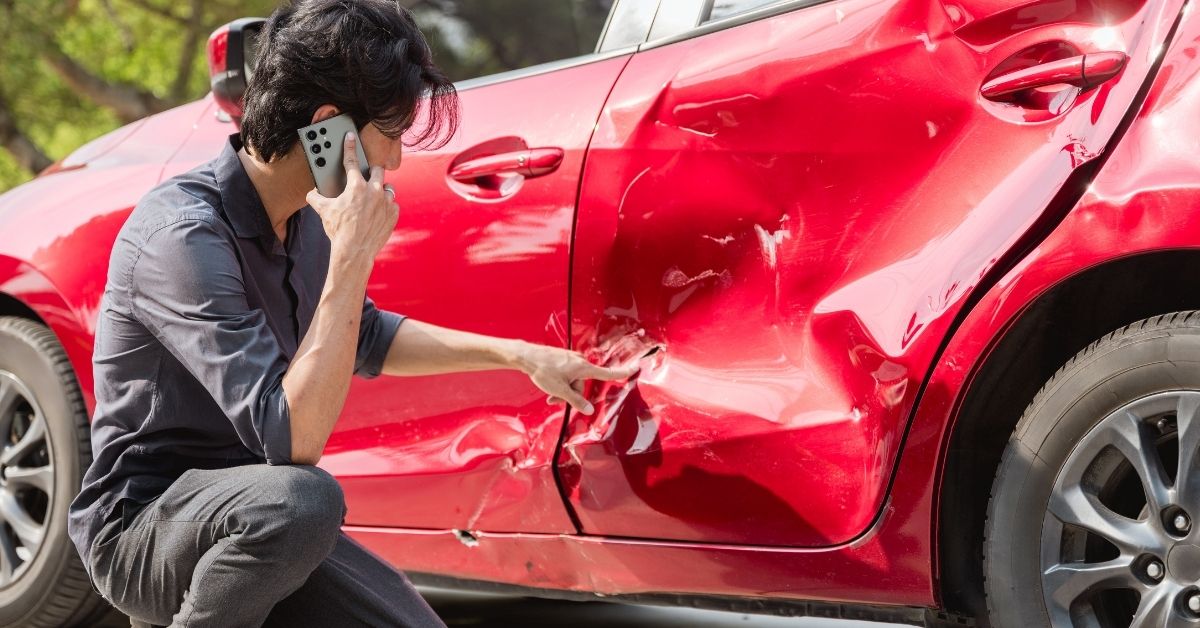
A car accident can leave you shaken, overwhelmed, and unsure of what to do next. Even minor crashes can cause hidden injuries, insurance headaches, and unexpected financial consequences. The steps you take in the first 24 hours after an accident are critical—they can protect your health, strengthen your future claim, and prevent costly mistakes that insurance companies love to exploit.
Here is a clear, step-by-step guide to what you should do in the hours immediately after a car accident.
1. Check for Injuries and Call 911 After a Car Accident
Your safety comes first. After any collision:
- Check yourself for injuries.
- Check your passengers.
- Check others at the scene if you can do so safely.
Even if the crash seems minor, call 911. In California, calling the police after an accident is essential because:
- A police report and crash report may become key evidence for your claim.
- Officers document fault indicators (skid marks, statements, damage).
- Emergency responders can identify hidden injuries.
Some drivers try to talk victims out of calling the police—never agree to that. Without a police report, the other driver may change their story later or deny responsibility altogether.
2. Move to Safety
If the vehicles are operable, move them to the shoulder or a safe nearby location. Turn on hazard lights. If you can’t move your vehicle, stay inside with your seatbelt fastened until help arrives—standing near a disabled vehicle puts you at risk of a secondary crash.
3. Do Not Admit Fault or Apologize
In the confusion after a collision, many people instinctively say “I’m sorry,” even if they did nothing wrong. Insurance companies can twist this into an admission of fault.
Avoid saying:
- “I didn’t see you.”
- “I’m fine.”
- “It was my fault.”
- “I should have reacted faster.”
You don’t have all the facts yet. Simply exchange information and refrain from discussing blame.
4. Gather as Much Evidence as You Can
If you are physically able, document the scene before cars are moved or debris is cleared. Use your phone to gather:
Photos and Video
- All vehicle damage
- Your injuries
- Skid marks
- Road signage
- Weather conditions
- Traffic lights / intersection angles
- License plates
- Airbag deployment
Take wide-angle shots and close-ups. Walk around the entire scene recording video for context.
Information to Exchange
- Driver’s name
- Driver’s license
- Address
- Vehicle registration
- Insurance company and policy number
- Phone number
- Employer information (if they were driving for work)
Witness Contacts
Witness statements can make or break a case—especially when fault is disputed. Ask for:
- Names
- Phone numbers
- Brief descriptions of what they saw
Witnesses often leave before police arrive, so act quickly.
5. Request the Police Report Number
When officers arrive, ask for the report number and their names/badge numbers. You will need this information later to obtain the full report.
The report often includes:
- Preliminary fault assessment
- Diagrams of the collision
- Statements from both drivers
- Citations issued
- Observations about injuries
Insurance companies give significant weight to police reports, especially in disputed liability cases.
6. Get Medical Care Immediately (Even If You Feel “Fine”)
Adrenaline and shock can mask injuries for hours or even days. Common post-crash injuries include:
- Concussions
- Whiplash
- Back and neck injuries
- Internal bleeding
- Soft-tissue damage
- Nerve injuries
Symptoms such as headaches, dizziness, nausea, or pain may develop later.
Getting care within the first 24 hours protects:
Your Health
Early diagnosis prevents complications.
Your Legal Claim
If you wait several days, insurance companies will argue your injuries are unrelated to the accident—this is one of their most common tactics.
Document everything:
- ER visits
- Urgent care notes
- Imaging results
- Prescriptions
Your medical records become foundational evidence.
7. Notify Your Insurance Company
After a car accident, California policies require timely reporting. Provide the basic facts only:
- Time and location of the crash
- Vehicles involved
- Injuries reported
- Whether police responded
Do not give a recorded statement, and do not speculate about fault. Simply report that the accident occurred and direct further communication to your attorney once you have one.
8. Do Not Speak to the Other Driver’s Insurance Company
The at-fault driver’s insurer may call you within hours. Their goal is to:
- Get you to downplay injuries
- Catch you in inconsistent details
- Push you into an early lowball settlement
- Get a recorded statement they can use against you
You aren’t required to talk to them at all.
Politely say:
“I’m not giving a statement. Please contact me in writing.”
“I am still receiving medical treatment.”
“Any communication will go through my attorney.”
Then hang up.
9. Preserve All Evidence Related to the Accident
In the first 24 hours, begin gathering and preserving everything related to the crash, including:
- Medical receipts
- Tow bills
- Car rental receipts
- Lost wage documentation
- Pain journals
- Photos of your injuries as they evolve
- Clothing worn during the accident (don’t wash it)
Save all text messages, voicemails, or emails from the other driver or the insurance companies.
10. Track Symptoms and Daily Limitations
Insurance companies often argue that injuries are exaggerated. A pain and symptom journal helps show:
- How your pain develops
- What movements or actions you can’t do
- How the injury impacts your work
- Sleep disruption
- Emotional or mental impacts
This becomes powerful evidence when calculating pain and suffering.
11. Be Cautious About Posting on Social Media
A smiling photo, a check-in at a restaurant, or a status saying “I’m okay” can be used as evidence to minimize your claim.
Insurance companies monitor:
- TikTok
- X (formerly known as Twitter)
Until your case is resolved, avoid posting anything about the accident, your injuries, or your daily activities.
12. Don’t Repair Your Car Yet (Without Documentation)
Before repairing or totaling your vehicle:
- Take extensive photos
- Obtain the repair estimate
- Get copies of mechanic notes
- Request the insurance adjuster’s inspection report
Your damaged vehicle is evidence of:
- Impact force
- Collision angles
- Severity of crash
- Possible mechanical failures
Make sure it is fully documented before repairs.
13. Contact a Personal Injury Attorney as Soon as Possible
The earlier you get legal help, the stronger your case will be.
Attorneys can:
- Protect you from insurance tactics
- Preserve critical evidence
- Guide your medical care timeline
- Calculate your damages accurately
- Negotiate a full settlement
- Handle all communication so you don’t have to
Waiting too long can lead to mistakes that reduce the value of your claim.
Frequently Asked Questions
What if the crash was minor? Do I still need to follow these steps?
Yes. Even “minor” accidents can cause serious soft-tissue injuries or hidden internal damage.
Should I apologize at the scene?
No. Even polite apologies can be misinterpreted as admissions of fault.
Do I have to see a doctor if I don’t feel hurt?
Yes. Many injuries appear later. Early medical documentation protects both your health and your claim.
How soon will the insurance company call?
Often the same day. You are not required to speak with the at-fault insurer.
What if I’m too injured to gather evidence?
Emergency responders and witnesses often capture helpful information. An attorney can collect additional evidence later.
The Bottom Line
The first 24 hours after a car accident are filled with confusion and uncertainty, but they are also the most important for protecting your rights. By taking the right steps—seeking medical care, documenting everything, avoiding insurance traps, and getting legal guidance—you safeguard both your health and your future claim.
These early decisions often determine whether you receive a lowball settlement… or the full compensation you deserve.
Related Articles

Low-Speed Collisions, Serious Injuries: Why “Minor” Accidents Still Matter
One of the most common things injury victims hear after a car accident is: “It was just a minor crash.” Insurance adjusters love this phrase. They use it to justify low settlement offers, delayed claims, and outright denials—especially when vehicle …
Read More
Unpaid California Overtime: How to Know If You’re Owed Money
Unpaid overtime is one of the most common (and most misunderstood) employment law violations in California. Many workers assume that working late, skipping breaks, or answering emails after hours is simply “part of the job.” Others are told they’re salaried …
Read More