
When Road Conditions Are to Blame: Suing a City or Municipality
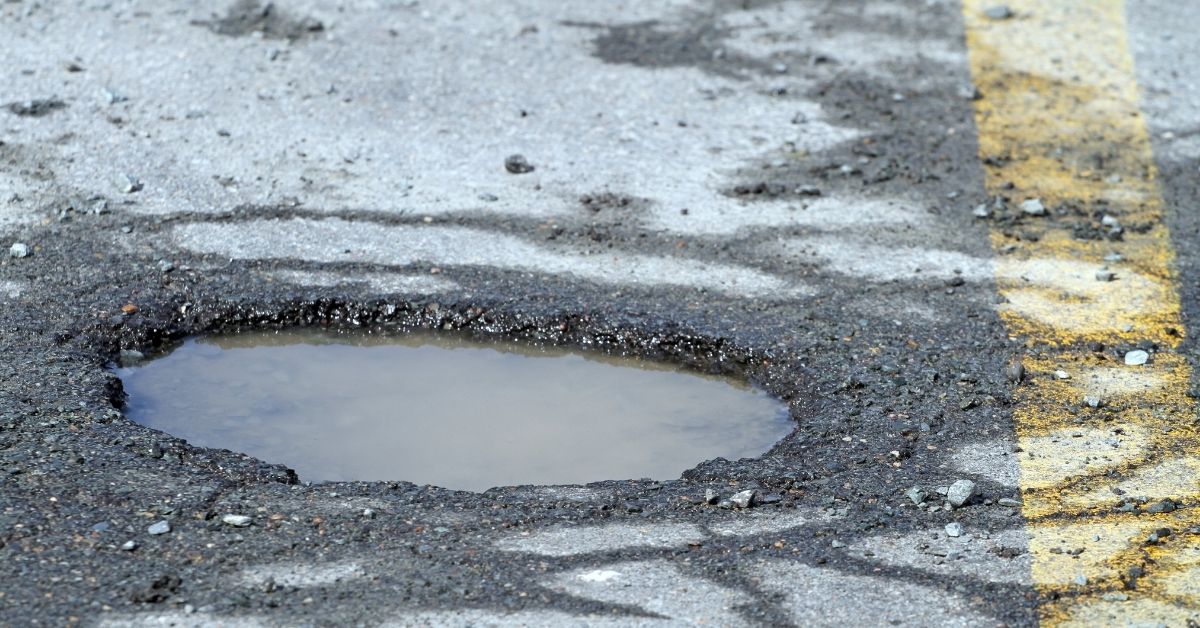
Road accidents caused by poor maintenance, dangerous design, or failures in warning are unfortunately common in California. When road conditions—such as potholes, badly maintained signage, sharp curves without warning, or uneven pavement—play a role in a crash, victims may be able to hold a city, county, or other public entity responsible. But because suing a municipality isn’t the same as suing a private party, there are additional legal rules, notice requirements, and defenses that come into play. When suing a city, you need the right legal team to help you navigate.
Below, we walk you through what you need to know if you believe a government entity’s negligence in maintaining roads contributed to your accident: the legal basis, what to prove, deadlines, defenses, and next steps.
Legal Basis: Dangerous Condition & Government Claims When Suing a City
In California, the legal doctrine that allows suing a government entity for road-condition accidents is usually framed as a “dangerous condition of public property” claim under Government Code §§ 830–835.
Some key statutes:
-
Gov. Code § 830 defines what makes a road or area a “dangerous condition” of public property. It must be more than trivial—there must be a substantial risk of injury when used in a reasonably foreseeable manner.
-
Gov. Code § 835 sets forth when a public entity is liable: the road must have been dangerous at the time of injury; the dangerous condition must have been a substantial factor in causing the harm; and either the city or public agency created the condition (through its employees) or had actual or constructive notice and failed to fix it in a reasonable time.
Also, under the California Government Claims Act (Gov. Code §§ 810 et seq.), before you sue, you must present a “government claim” to the public entity within a statutory deadline (usually six months for personal injury or wrongful death).
What You Must Prove (Elements of Liability) When Suing a City
To successfully sue a city or municipality over dangerous road conditions in California, you generally need to prove these elements:
-
Ownership or Control
The public entity must own or control the roadway or property where the accident happened. If the city doesn’t own or control it, that entity may not be liable under these statutes. This is crucial when suing a city for an accident. -
Dangerous Condition Existed at Time of Injury
The condition (e.g. hole, broken road surface, missing signage) must have been there when the accident occurred. It must be more than trivial or de minimis. It has to pose a substantial risk. -
Foreseeability / Reasonably Foreseeable Use
The public entity should have reasonably foreseen that people using the road in a usual or expected way could be harmed by the condition. This ties into notice. -
Notice (Actual or Constructive), or Creation by the Entity
-
Creation: If an employee of the public entity negligently created the dangerous condition, then liability can follow even if there was no prior notice.
-
Notice: If the entity did not create it, plaintiffs must show that the entity had either actual notice (they knew about it) or constructive notice (they should have known, given enough time or obviousness) and could have remedied it but failed to do so.
-
-
Causation & Substantial Factor
The dangerous condition must have been a substantial factor (not necessarily the only cause) in causing the crash and injuries. If other factors contributed (weather, driver behavior), it doesn’t preclude liability, but the dangerous condition must be shown to have materially contributed. -
Harm / Injury
Obviously, there must be actual harm: injury to person(s), medical bills, lost wages, possibly vehicle damage. Without damages, there is no claim or grounds for suing a city.
Deadlines & Claim Requirements
One of the biggest hurdles to bringing such cases in California is procedural requirements:
-
Government Claim Filing
Under the Government Claims Act, you must present a written claim to the appropriate government agency (city, county, state) within six months of the incident. Missing this deadline can bar your lawsuit entirely, blocking you from successfully suing a city for an accident claim. -
Waiting Period
After filing, the entity has up to 45 days to respond. If they reject your claim (which often happens), you then have six months from the date of rejection to file a lawsuit when suing a city. -
Statute of Limitations for Non-Government Claims
If you were suing a private party, or otherwise outside the government-claims context, timelines are different. But for cases against public entities, the six-month claim requirement is mandatory.
Examples of Road Conditions That Often Give Rise to Liability
Some typical scenarios where these claims arise when you may be suing a city include:
-
Potholes, cracks, or missing pavement sections.
-
Uneven or sunken sidewalks or gutters.
-
Missing or non-functional guardrails or traffic barriers.
-
Poor or missing signage or warnings for hazards (sharp turns, dips, merging traffic).
-
Problems with drainage leading to flooding or pooling of water.
-
Debris or objects left in roadways.
-
Obstructions to sight lines (overgrown vegetation, trees), especially in intersections or curves.
Defenses & Immunities
Even if the facts favor you, public entities have legal defenses:
-
Design Immunity (Gov. Code § 830.6)
If the dangerous condition is part of the original design of the road or plan, and that design was approved by the proper public officials, the entity may be immune from liability under certain circumstances. -
Discretionary Function Immunity
Decisions involving policy, planning, or design that are discretionary (not ministerial) may be shielded. For example, a choice of design standard may not be subject to challenge if it was discretionary and done properly under the process. -
Notice Deficiency
If you cannot show that the public entity had actual or constructive notice, then liability often fails. The plaintiff must show either that the defect was known or that it existed long enough that the entity should have known. -
De minimis / Trivial Defects
Not every imperfection qualifies. If the condition is minor or insignificant (for example, a very small crack or slight depression of pavement, depending on case law) courts may rule as a matter of law that it’s not dangerous.
What to Do if You’re Considering a Lawsuit
If you believe you’ve been injured because of bad road conditions, here are strategic steps to take:
-
Document Everything Right Away
-
Take photos and video of the exact location: road surface, signage, lighting, any obstruction, guardrails, etc.
-
Take pictures of your vehicle damage and injuries.
-
Note the date, time, weather, traffic conditions.
-
-
Get Witness Information
Other drivers, passengers, pedestrians may have seen the hazard or the crash. Independent observations can support your claim. -
Obtain Reports and Records
-
Police or CHP reports (they often describe road conditions).
-
Government maintenance records, prior reports or complaints about that road segment.
-
Design plans, inspection records, or planning documents (showing if hazard was known or detectable).
-
-
Preserve Evidence / Protect the Scene
Sometimes municipalities or agencies may later modify the road, paving over the defect or changing signage. Early preservation (photos, map, measurements) is essential. -
File the Government Claim on Time
Don’t wait. The six-month notice period is strict. A good attorney should help you prepare the claim correctly and timely. -
Hire an Experienced California PI Attorney
A lawyer who regularly handles dangerous road condition suits will know which government agencies to name, how to obtain records, how to counter design immunity, and how to estimate damages fairly (including future medical costs, pain & suffering, etc.).
Recent California Case / Precedent Highlight
A current example worth noting: Whitehead v. City of Oakland (2025)—A cyclist injured after hitting a pothole during an organized ride. Even though there was a waiver requested by the organizers, California Supreme Court allowed the lawsuit to proceed, reaffirming that municipalities have a statutory duty to maintain roads in a reasonably safe condition. Waivers cannot release them from that duty under state law.
This case underscores two key points:
-
Public entities can’t avoid responsibility with broad waivers when there is a statutory duty to maintain public roads.
-
Courts are increasingly attentive to ensuring liability isn’t evaded simply because of procedural or contractual defenses.
Damages You Can Recover
If you succeed in a road-condition lawsuit, you may be able to recover:
-
Medical costs (past and future)
-
Lost wages or loss of earning capacity
-
Pain and suffering, emotional distress
-
Vehicle damage or property damage
-
Possibly punitive damages, though rare, if gross negligence is involved
Bottom Line: Why You Need a Specialist When Suing a City
Suing a city or municipality over dangerous road conditions is complex. Between tight deadlines, special statutory notice rules, government immunities, and the need to prove things like notice or design defects, you can’t afford mistakes. B|B Law Group has experience with these cases, knows how to gather evidence, meets claims deadlines, and stands up to government defenses.
If you’ve been injured in a crash and believe a road condition played a role, reach out to B|B Law Group as soon as possible. Early action can mean the difference between getting full compensation and having your case dismissed on a technicality.
Related Articles

Unpaid California Overtime: How to Know If You’re Owed Money
Unpaid overtime is one of the most common (and most misunderstood) employment law violations in California. Many workers assume that working late, skipping breaks, or answering emails after hours is simply “part of the job.” Others are told they’re salaried …
Read More
Delayed Injury Symptoms After an Accident: Why Waiting Can Hurt Your Claim
After a car accident, many people feel lucky to walk away thinking they’re “okay.” Adrenaline is high, the shock wears off, and soreness feels manageable. It’s common to assume injuries will resolve on their own, but that is not true …
Read More