Who Is Liable If a Car Accident Was Caused by a Tire Blowout or Mechanical Failure in California?
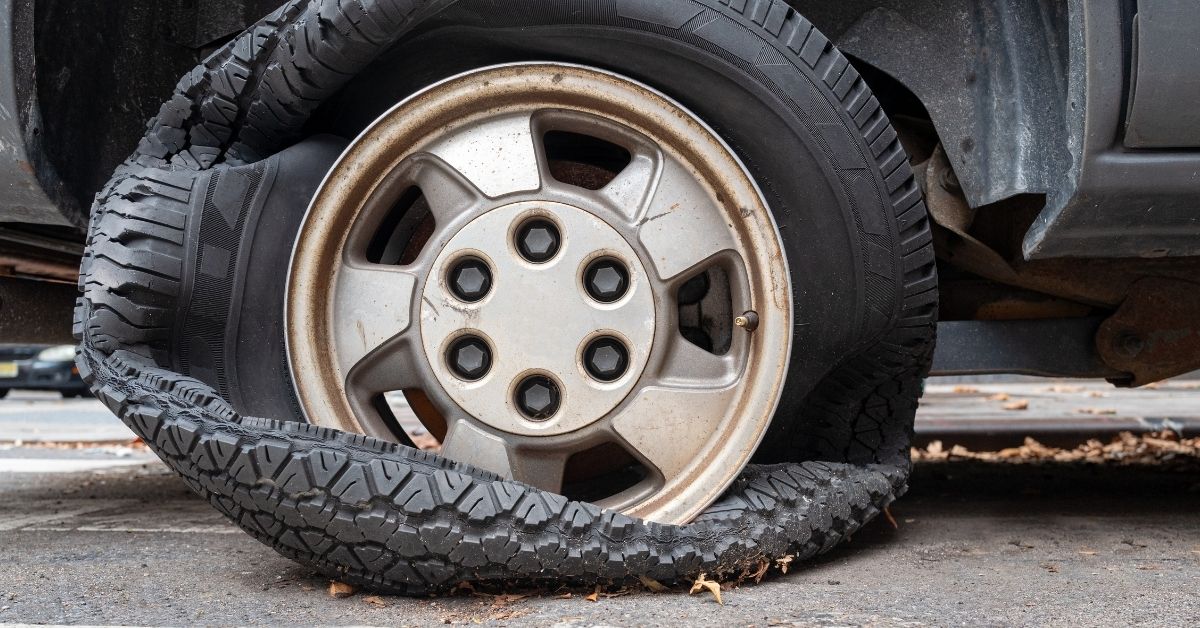
When a driver loses control because a tire blows out, the brakes fail, or another mechanical problem occurs, it may seem like no one is really at fault. After all, the driver may not have intended to cause the accident and may have had only seconds to react.
However, mechanical failures do not always happen without warning or explanation. This includes tire blowouts.
A tire may have been dangerously worn. A repair shop may have installed a component incorrectly. A vehicle owner may have ignored warning signs. In other cases, the vehicle or one of its parts may have been defective.
When a mechanical failure contributes to a California car accident, determining liability often requires investigating why the failure occurred in the first place.
Depending on the circumstances, the driver, vehicle owner, repair facility, manufacturer, or another party could potentially be responsible for resulting injuries.
Why Mechanical Failure Accidents Are Different
Most car accident claims focus primarily on a driver’s actions immediately before the collision.
Was the driver speeding? Were they distracted? Did they fail to yield?
When mechanical failure is involved, the investigation often needs to go further back.
The key question may be what happened to the vehicle in the days, weeks, or even months before the accident.
Maintenance records, repair histories, recalls, inspections, and the physical condition of failed components can all become important evidence.
This can make mechanical failure cases significantly more complicated than an ordinary collision.
Can a Driver Be Responsible for a Tire Blowout?
A tire blowout can happen suddenly, but that does not necessarily mean it was unpredictable.
Drivers and vehicle owners are generally responsible for reasonably maintaining their vehicles. Tires should be inspected and replaced when they become unsafe.
Warning signs may include worn tread, cracking, bulges, recurring pressure problems, or other visible damage.
If someone continues driving on a tire they know is dangerously worn and it later fails, that prior knowledge may become relevant to determining negligence.
Improper tire pressure or overloading a vehicle may also contribute to certain tire failures.
On the other hand, a relatively new tire may fail because of a manufacturing defect that the driver had no reasonable way to detect.
That situation could raise very different liability questions.
Brake Failures Can Raise Maintenance Questions
Brake failure is another mechanical problem that can cause devastating accidents.
When a driver says, “My brakes didn’t work,” investigators may need to determine why.
Did the driver ignore grinding noises or warning lights? Had the vehicle missed recommended maintenance? Was repair work recently performed?
If a vehicle owner knew the brakes were failing but continued driving anyway, that person could potentially be held responsible for an accident.
However, if a repair shop recently serviced the brakes and performed the work incorrectly, the shop’s conduct may also need to be investigated.
Repair Shops May Be Responsible for Negligent Work
Vehicle owners depend on mechanics and repair facilities to perform work safely.
A mistake during a repair can create serious risks once the vehicle returns to the road.
For example, a mechanic might improperly install brakes, fail to tighten a wheel correctly, overlook an obvious safety problem during an inspection, or install an incorrect component.
If negligent repair work causes a mechanical failure and resulting accident, the repair company could potentially face liability.
Receipts, invoices, work orders, and maintenance records can therefore become particularly important after an accident involving suspected mechanical failure.
What If the Vehicle or Part Was Defective?
Sometimes the problem begins before the vehicle ever reaches the owner.
Vehicles contain thousands of individual parts, and defects in critical safety components can cause serious accidents.
Potentially defective components may include:
- Tires
- Brakes
- Steering systems
- Suspension components
- Accelerators
- Airbags
- Other safety-related parts
If a defective vehicle or component causes an accident or makes injuries worse, a product liability claim may potentially arise.
Depending on the circumstances, manufacturers, distributors, or other companies involved in bringing the product to market may become relevant to the investigation.
Vehicle Recalls Can Become Important
Automakers and government regulators sometimes issue recalls after identifying safety defects.
If a mechanical failure occurs, determining whether the vehicle or failed component was subject to a recall may be important.
However, the existence of a recall does not automatically determine liability.
Questions may arise about when the recall was issued, whether the vehicle owner received notice, whether repairs were available, and whether the defect actually contributed to the accident.
Recall information can therefore be one piece of a larger investigation.
Commercial Vehicles Can Add Another Layer of Liability
Mechanical failures involving commercial trucks, delivery vehicles, buses, or company cars may introduce additional parties.
Businesses responsible for fleets generally need to maintain vehicles used for their operations.
If a company postpones necessary repairs, ignores inspection requirements, or allows an unsafe vehicle to remain in service, the company’s maintenance practices may become relevant.
Some companies also hire outside contractors to inspect or maintain their vehicles.
Determining who was responsible for maintaining the failed component can help identify all potentially liable parties.
Why Preserving the Vehicle Can Be Critical
After many accidents, repairing or disposing of the damaged vehicle seems like the obvious next step.
When mechanical failure is suspected, however, the vehicle itself may be one of the most important pieces of evidence.
A tire, brake component, steering mechanism, or other failed part may need to be examined by an expert.
If the vehicle is repaired, destroyed, or sold before the relevant components can be inspected, important evidence may be lost.
For this reason, preserving the vehicle and failed parts can be particularly important in mechanical defect cases. A tire blowout or mechanical failure can cause serious injuries.
Experts May Help Determine What Failed
Mechanical failure cases frequently require technical analysis.
An accident reconstruction specialist may examine how the vehicles moved before and during the collision. Engineers or automotive experts may inspect damaged components to determine why they failed.
Maintenance records can then be compared with the physical evidence.
For example, an expert may be able to determine whether a tire failed because of road impact, long-term wear, improper maintenance, or a potential manufacturing defect.
This type of analysis can help establish whether the failure was preventable and who may be responsible.
More Than One Party May Share Responsibility
California follows a pure comparative negligence system, meaning responsibility can be divided among multiple parties.
A mechanical failure accident may therefore involve several contributing factors.
For example, a defective component might contribute to a crash while a driver’s failure to properly maintain the vehicle makes the problem worse.
A repair facility, vehicle owner, manufacturer, or employer could potentially share responsibility depending on the facts.
Identifying every contributing cause can be particularly important when an accident results in serious injuries.
What Compensation May Be Available?
Victims injured in accidents caused by mechanical failures may be able to pursue compensation for medical expenses, lost income, future medical care, diminished earning capacity, pain and suffering, and other losses.
The amount available depends on the severity of the injuries, the circumstances of the accident, available insurance coverage, and the parties ultimately found responsible.
When a manufacturer, business, or other company may be involved, determining all potential sources of recovery can become an important part of the claim.
Speak With a California Personal Injury Attorney
A mechanical failure may happen in seconds, but determining why it occurred can require a much deeper investigation.
At BB Law Group, we help injured Californians investigate complex accidents and identify the individuals and companies that may be responsible. When tire failure, brake problems, defective components, or negligent maintenance contribute to a crash, preserving evidence and investigating the cause early can be critical.
If you or a loved one has been injured in a California accident involving a suspected tire blowout or mechanical failure, contact BB Law Group today to schedule a consultation and learn more about your legal options.
Related Articles
Why Accidents Around LAX Can Become Complicated Personal Injury Claims
Los Angeles International Airport is surrounded by a constant flow of travelers, employees, rideshare drivers, taxis, rental cars, hotel shuttles, delivery vehicles, buses, and private vehicles dropping off or picking up passengers. That combination can create challenging driving conditions. Accidents …
Read More
Can Your Employer Punish You for Discussing Your Pay With Coworkers in California?
Talking about money at work can feel uncomfortable. In some workplaces, employees are explicitly told that salaries and hourly wages are confidential. In others, there may be an unwritten expectation that coworkers simply should not discuss your pay. That can …
Read More