
Can You Still Recover Compensation If You Weren’t Wearing a Seat Belt?
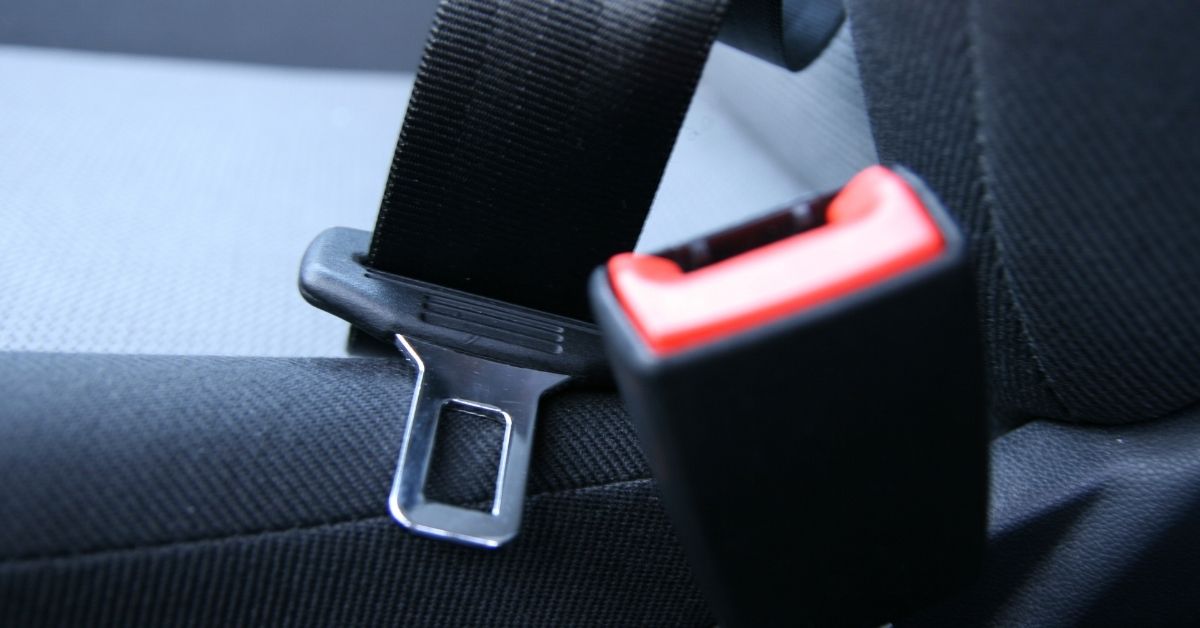
After a car accident, many injured drivers immediately worry that not wearing a seat belt means they no longer have a case. Insurance companies often reinforce this fear by suggesting that a failure to buckle up automatically prevents someone from recovering compensation.
In reality, the issue is far more nuanced. In California, not wearing a seat belt does not automatically bar you from pursuing a personal injury claim. However, it can affect how compensation is calculated depending on the circumstances of the accident and the injuries involved.
Understanding how seat belt laws intersect with personal injury claims is important if you have been injured in a crash and are unsure about your legal options.
Why Seat Belt Use Becomes an Issue After an Accident
California law requires drivers and passengers to wear seat belts in most situations. When someone involved in an accident was not restrained, insurance companies frequently use that fact as part of their defense strategy.
Their argument is usually not that the injured person caused the accident itself. Instead, they argue that the person’s injuries were made worse because they failed to wear a seat belt.
For example, another driver may have caused a rear-end collision by texting while driving. However, the insurance company may claim that some of the victim’s injuries could have been reduced if a seat belt had been worn properly.
This distinction matters because liability for causing the accident and liability for the severity of injuries are not always treated the same way.
California’s Comparative Negligence Rules
California follows a legal doctrine known as pure comparative negligence. Under this system, more than one party can share responsibility for an accident or its resulting injuries.
This means an injured person may still recover compensation even if they are partially at fault. However, their compensation may be reduced based on their percentage of responsibility.
For instance, imagine a jury determines that another driver caused the crash by running a red light, but also concludes that the injured victim’s failure to wear a seat belt contributed to the severity of their injuries. The victim may still recover damages, but the final award could be reduced by the percentage assigned to them.
This is one reason why insurance companies aggressively investigate seat belt usage after accidents. Even a modest reduction in liability can save insurers significant amounts of money in serious injury claims.
Not Wearing a Seat Belt Does Not Mean You Caused the Accident
One of the most important things to understand is that failing to wear a seat belt usually does not make someone responsible for causing a collision.
A distracted driver, impaired driver, speeding motorist, or reckless commercial vehicle operator can still be fully liable for creating the accident itself. The seat belt issue typically relates only to the extent of injuries sustained.
This distinction is critical because some insurance companies attempt to blur the line between causing an accident and contributing to injuries. In reality, these are separate legal questions.
An experienced personal injury attorney can help push back against attempts to unfairly shift blame onto injured victims.
How Insurance Companies Use the “Seat Belt Defense”
The “seat belt defense” is a common tactic in personal injury litigation. Insurance companies often argue that injuries would have been less severe if a seat belt had been used properly.
In some cases, they may hire medical experts or accident reconstruction specialists to support this position. These experts may attempt to estimate how the body would have moved differently during the crash if restraints had been in place.
However, these arguments are not always as straightforward as insurers suggest. Some injuries occur regardless of seat belt use, particularly in high-speed collisions or catastrophic crashes. Additionally, certain injuries may actually be caused or worsened by the seat belt itself.
The outcome often depends on the specific facts of the case, including the type of collision, the severity of impact, and the medical evidence involved.
Why Medical Documentation Matters
When seat belt usage becomes part of a personal injury claim, medical records often play a major role.
Detailed medical documentation can help establish the nature of the injuries, how they occurred, and whether they were truly connected to a lack of restraint. In some cases, physicians may conclude that the injuries would have happened regardless of seat belt use due to the force of the collision.
Prompt medical treatment is also important because delays in care can create additional opportunities for insurers to dispute the seriousness or cause of injuries.
Consistent treatment records help strengthen the connection between the accident and the injuries being claimed.
Common Injuries in Seat Belt-Related Cases
Insurance companies frequently focus on injuries involving head trauma, spinal injuries, or ejection from the vehicle when arguing about seat belt usage.
However, every accident is different. Some restrained occupants still suffer severe injuries, while some unrestrained occupants sustain relatively minor harm.
Factors that may influence injury severity include:
- Vehicle speed
- Point of impact
- Airbag deployment
- Vehicle size and structure
- Road conditions
- Secondary collisions
Because so many variables are involved, seat belt issues should never be viewed in isolation.
Why These Cases Can Become Complicated
Cases involving comparative negligence are often more heavily contested than straightforward accident claims.
Insurance companies know that even partially shifting responsibility onto the injured party can reduce what they ultimately pay. As a result, they may closely examine police reports, medical records, vehicle damage, and witness statements searching for evidence related to seat belt usage.
In some situations, disputes even arise over whether a seat belt was worn at all.
These cases can quickly become complex, especially when serious injuries are involved or multiple parties dispute what happened.
What You Should Do After an Accident
If you were injured in a car accident, it is important not to assume you do not have a case simply because you were not wearing a seat belt.
You should still seek medical attention immediately, document the accident scene if possible, and avoid making statements to insurance adjusters without understanding your rights.
It is also wise to speak with a personal injury attorney before accepting any settlement offer. Insurance companies may attempt to undervalue claims involving seat belt issues long before the full impact of injuries is known.
Speak With a California Personal Injury Attorney
Not wearing a seat belt does not automatically prevent you from recovering compensation after a car accident. California law recognizes that fault and injury severity can involve multiple factors, and injured victims may still have the right to pursue damages even if they were partially responsible.
At BB Law Group, we understand the strategies insurance companies use to minimize claims and shift blame onto injured victims. Our team can evaluate the facts of your case, explain your legal options, and help pursue the compensation you may be entitled to recover.
If you or a loved one has been injured in a car accident, contact BB Law Group today to schedule a consultation.
Related Articles

Can You File a Claim If a Road Hazard Caused Your Accident?
When most people think about car accidents, they immediately assume another driver caused the crash. Distracted driving, speeding, and reckless behavior are among the most common causes of collisions, but not every accident happens because of another motorist. In some …
Read More
What Happens If Witnesses Disagree About How an Accident Happened?
After a car accident, witness statements can play an important role in determining what happened and who may be responsible. Many people assume that witnesses provide clear answers that quickly resolve disputes. In reality, witness testimony is not always as …
Read More